The Essential Role of a Medical Supply Courier
Jump to section
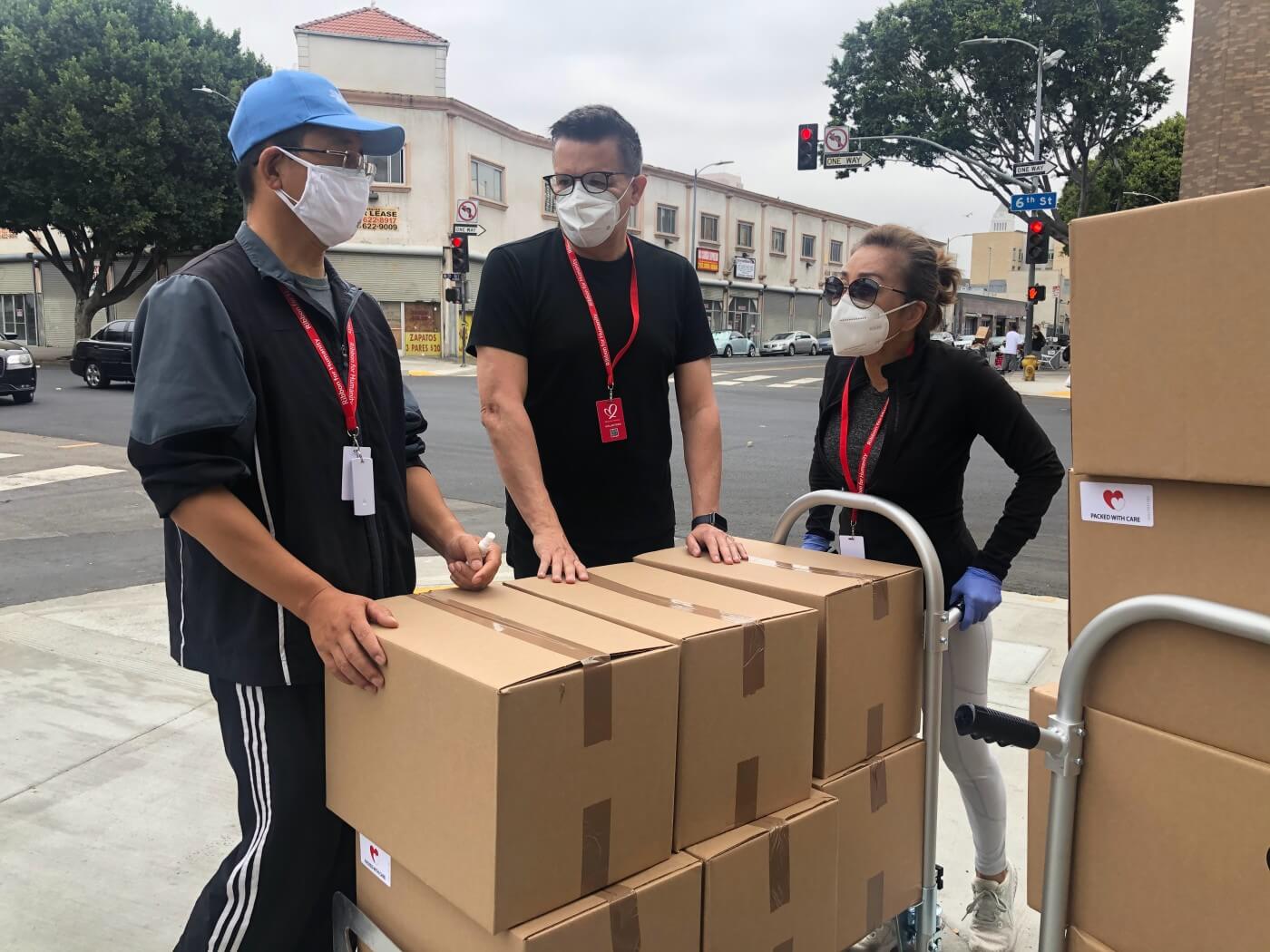
Medical supply couriers are a key part of the healthcare system. They move critical items like lab specimens, medications, documents, and equipment between clinics, labs, hospitals, and pharmacies. Without them, many parts of patient care would slow down or completely stop.
Whether it’s a blood sample that must be scheduled for delivery or a medication that must be delivered as quickly as possible, couriers make sure the job gets done. And they do it every day, often without much attention.
What Exactly Do Medical Couriers Deliver?
A medical courier doesn’t just drop off packages. Their job requires accuracy, attention to detail, and sometimes handling sensitive or regulated materials.
Some of the items they deliver include:
Lab specimens (blood, urine, biopsies)
Prescription medications
Medical equipment and devices
Paperwork like patient files or lab results
COVID test kits and vaccines
Each type of delivery might require a different level of care. Some samples need to stay cold. Some items must be delivered within hours. Others require signatures or documentation for compliance.
Why Timing Matters
Timing isn’t just about convenience. In healthcare, it can be the difference between quick diagnosis and delayed treatment. When a courier picks up a sample from a clinic, a delay in getting it to the lab could affect the patient’s care plan.
That’s why many organizations use scheduled delivery services. These services let providers lock in routine pickups and drop-offs, so staff can rely on consistent timing without calling for last-minute help.
The Responsibilities Go Beyond Driving
A lot of people think medical couriers just “pick up and drop off.” That’s not the full picture.
Couriers must also:
Handle specimens or medications properly (sometimes using coolers or insulated bags)
Log delivery times and get signatures
Follow HIPAA rules to protect patient information
Know how to navigate hospitals, labs, and medical offices
Communicate if delays or issues happen
Some couriers are trained in bloodborne pathogen safety or complete HIPAA certification to ensure they meet delivery standards.
Who Uses Medical Courier Services?
Medical delivery is used by a wide range of organizations. That includes:
Clinics and doctor’s offices
Hospitals and urgent care centers
Pharmacies and compounding labs
Testing labs and diagnostic centers
Home healthcare providers
Long-term care facilities
Even small independent practices rely on couriers to move samples and supplies they can’t handle internally. It’s often cheaper and more efficient than using staff or traditional carriers.
Medical Courier Independent Contractor
Some couriers work for large delivery companies. Others operate independently. If you’re interested in how to become a medical courier and if it's worth it, the work can be flexible and rewarding, but it requires professionalism and good organization.
Many start with a reliable vehicle, basic delivery supplies, and a few local clients. Over time, they may pick up more routes or contracts.
Why This Role Is So Important
Medical couriers keep critical items moving in the background. They help reduce delays, improve patient care, and take pressure off already-busy healthcare staff. Most of the time, patients never see the couriers helping behind the scenes. But without them, the healthcare system would slow down.
In short, they make sure the right materials get to the right place fast, safe, and on time.
Being a medical supply courier is more than a delivery job. It’s a trusted role that supports care providers and patients alike. If you’re thinking about getting into this field, it’s essential to understand both the responsibility and the opportunity.
And if you’re part of a clinic or healthcare organization, choosing the exemplary courier service means you can focus on what matters most, caring for your patients.
Related articles
Pharmacy Delivery Chain of Custody: A Practical Playbook
Under DEA rules, choosing your courier is part of your compliance position, not just procurement. What a custody record must contain, where

How to Organize an Outpatient Lab Courier Schedule
Build it backwards from your lab's cutoff and your specimens' stability windows. Six steps for clinic managers, including what to put in the
Medical Courier Requirements in Washington: Full Checklist
What the specimen requires and what the courier must produce, in one place: UN3373 packaging measurements, OSHA training and Exposure Contro